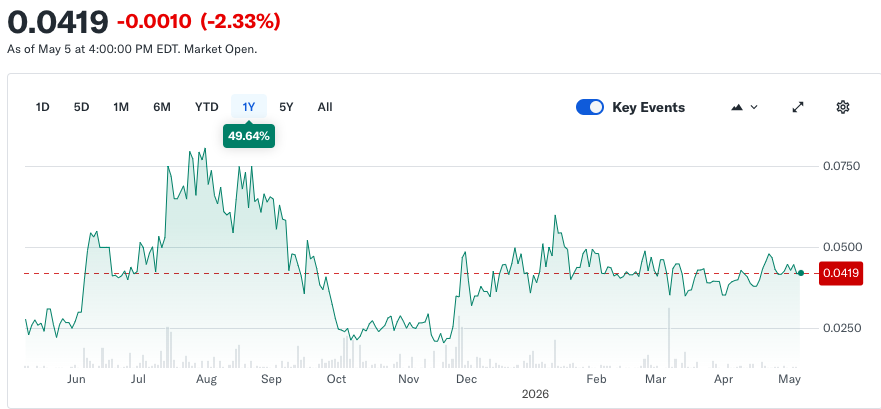
- CSE: SKUR / OTCQB: SWISF: around CA$0.06 / US$0.043, with market cap near CA$15M / US$10M–US$11M.
- Macro catalyst: NATO allies are now working toward a long-term defense and security spending target of 5% of GDP by 2035.
- Investor angle: Lockheed Martin, RTX, and Sekur each offer a different way to look at the defense cycle: platforms, missiles, and secure communications.
Defense spending is no longer just a political talking point. Across NATO, governments are being forced to rebuild military readiness, expand missile inventories, improve air defense, and strengthen cyber resilience after years of underinvestment. The war in Ukraine, rising geopolitical tension, drone warfare, and pressure from the United States have all pushed defense budgets higher on the priority list.
For investors, the important point is that this spending cycle is broader than tanks and fighter jets. More defense money can also flow into command systems, secure communications, cybersecurity, satellite infrastructure, battlefield software, and data-protection tools. That opens the door for both major defense primes and smaller companies positioned around security and communications.

1. Lockheed Martin: The U.S. Defense Prime
Lockheed Martin (NYSE: LMT) is one of the most direct U.S. names tied to higher NATO and allied defense spending. The company is behind some of the West’s most important defense programs, including the F-35 fighter jet, missile defense systems, precision weapons, space systems, and command-and-control technologies.
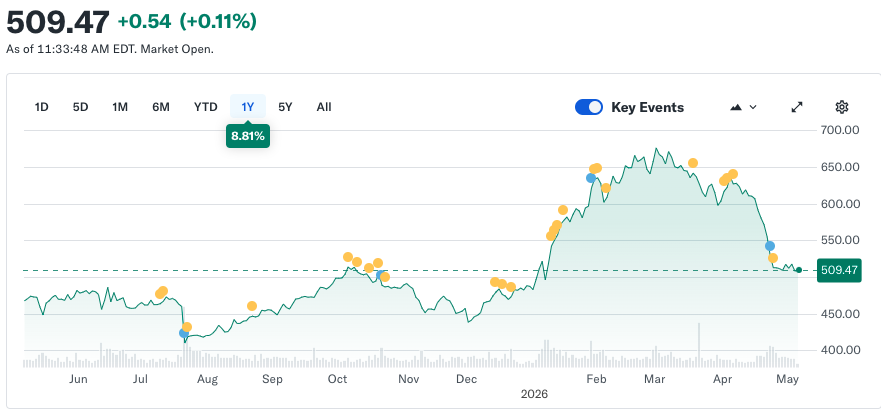
Recent market data showed LMT trading around US$510 per share, with a market cap near US$118B. In Q1 2026, Lockheed reported roughly US$18.0B in sales, US$1.5B in net earnings, and reaffirmed full-year guidance for around 5% sales growth and roughly 25% operating profit growth.
The investment case is fairly clear. If NATO countries keep raising defense budgets, demand for aircraft, missile defense, long-range strike systems, and space-based capabilities should remain strong. The trade-off is that LMT is already a large, mature company, so the upside depends on execution, margins, production capacity, and continued contract momentum.
2. RTX: Missiles, Air Defense, and Production Scale
RTX Corporation (NYSE: RTX) is another major U.S. defense name that fits the current spending cycle. Through Raytheon, Collins Aerospace, and Pratt & Whitney, RTX has exposure to missile systems, air defense, aircraft engines, avionics, sensors, and defense electronics.
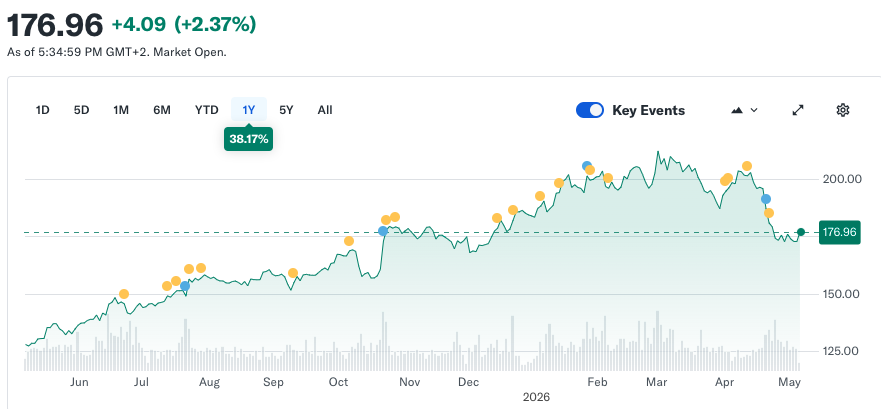
Recent market data showed RTX trading around US$177 per share, with a market cap near US$238B. In Q1 2026, RTX reported US$22.1B in sales, up 9% year over year, adjusted EPS of US$1.78, up 21%, and a total backlog of US$271B, including US$109B in defense backlog.
RTX is especially relevant because air defense and munitions replenishment have become urgent priorities for NATO members. Patriot systems, missile interceptors, radar, and advanced munitions all sit directly inside the modernization cycle. The risk is that RTX has already attracted strong investor attention, so future gains may depend on production ramp-ups, backlog conversion, and margin discipline.
3. Sekur Private Data: The Micro-Cap Secure Communications Angle
Sekur Private Data (CSE: SKUR / OTCQB: SWISF / FRA: GDT0) is the outlier in this group. It is not a traditional defense contractor like Lockheed Martin or RTX. Instead, Sekur is a Swiss-hosted cybersecurity and private communications company focused on secure email, encrypted messaging, VPN, and privacy-first communication tools.
That makes SKUR the speculative name in the basket, but also the one with the highest potential torque if the story develops. The Sekur angle is not missiles or aircraft. It is secure communications for businesses, government users, defense contractors, public-sector agencies, and regulated organizations that may need more control over privacy, data jurisdiction, and communication security.
Sekur Enterprise Solution
Sekur’s enterprise solution is where the story becomes more relevant to defense and government markets. The company offers secure communication products including SekurMail, SekurMessenger, and SekurVPN, supported by Swiss-hosted infrastructure and a privacy-first approach.
For CSE: SKUR, the investor case depends on whether Sekur can move beyond individual privacy users and win higher-value enterprise, government, and contractor accounts. That kind of customer base could be more attractive because enterprise users may support higher pricing, longer relationships, custom onboarding, and larger account sizes than consumer subscriptions.
This is the part investors should watch closely. If NATO-linked defense spending continues to include cyber protection, secure communications, and data-sovereignty tools, Sekur has a clearer market narrative. But the company still needs proof: commercial traction, enterprise adoption, and eventually contracts that show the strategy is working.
Sekur’s Recent Defense Hires
Sekur’s recent hires are a big reason the stock belongs in this conversation. The company appointed Lt. Gen. Raymond Palumbo, U.S. Army (Ret.), as Chairman of its Strategic Advisory Board to help guide expansion into military and defense communications markets and government procurement strategy.
Sekur also appointed John T. Lewis, a retired CIA Senior Intelligence Service executive, as Chief Technology Officer and Strategic Advisory Board member. His role is tied to technology strategy, product development, security architecture, and Sekur’s defense communications push.
For OTCQB: SWISF, those appointments help close a credibility gap that often holds back small cybersecurity companies. Names and resumes alone do not create revenue, but they can help open doors, sharpen the product roadmap, and support conversations with more serious enterprise or government buyers.
Stock Snapshot
| Company | Ticker | Recent Price | Market Cap | Defense Angle |
|---|---|---|---|---|
| Lockheed Martin | NYSE: LMT | ~US$510 | ~US$118B | F-35, missiles, space, defense systems |
| RTX | NYSE: RTX | ~US$177 | ~US$238B | Missiles, air defense, sensors, aerospace |
| Sekur Private Data | CSE: SKUR / OTCQB: SWISF | ~CA$0.06 / ~US$0.043 | ~CA$15M / ~US$10M–US$11M | Secure communications and cyber privacy |
Bottom Line
NATO’s spending surge could create several types of defense winners. NYSE: LMT offers exposure to large military platforms, missile defense, and space systems. NYSE: RTX offers exposure to air defense, munitions, sensors, and production scale. CSE: SKUR / OTCQB: SWISF offers a much smaller, higher-risk angle tied to secure communications and enterprise privacy.
Sekur is not in the same category as Lockheed Martin or RTX. It is earlier, smaller, and more speculative. But that is also why SKUR could be interesting for investors looking beyond the obvious defense names. If Sekur’s enterprise solution and recent defense-focused hires start translating into real customers, the market could begin viewing it less as a privacy-app company and more as a niche secure-communications play tied to the defense and cybersecurity spending cycle.
This is sponsored content. Investors should conduct their own due diligence and consult a qualified financial advisor before making any investment decisions.

Marc has been involved in the Stock Market Media Industry for the last +5 years. After obtaining a college degree in engineering in France, he moved to Canada, where he created Money,eh?, a personal finance website.