- Commodity snapshot: gold recently settled around US$4,720/oz, silver near US$80/oz, copper around US$6/lb, Brent crude near US$100/bbl, and U.S. natural gas around US$2.8/MMBtu.
- Market catalyst: geopolitical risk, inflation pressure, AI infrastructure demand, grid investment, central-bank buying, and energy-supply risk are keeping commodities in focus.
- Investor angle: precious metals are acting like inflation and safe-haven trades, copper remains the electrification metal, and energy markets are still being driven by geopolitical volatility.
Commodities are back at the center of the market conversation. After years where technology stocks dominated investor attention, hard assets are again being watched for clues about inflation, global growth, geopolitical risk, and capital flows. The setup is not the same across the whole commodity complex. Gold and silver are trading like monetary and safe-haven assets. Copper is being priced around electrification, AI infrastructure, and long-term supply tightness. Oil is still reacting to Middle East risk and physical supply fears. Natural gas remains more volatile and regionally driven.
For investors, the key question is not simply whether commodities are “up” or “down.” The better question is what each commodity is pricing in. Gold is saying investors still want protection. Copper is saying long-term demand may be stronger than supply. Oil is saying geopolitical shocks still matter. Natural gas is saying supply, weather, and power demand can quickly change the outlook.
Market Catalyst: Inflation, Geopolitics, and Infrastructure Demand
The current commodity backdrop is being shaped by three forces. First, geopolitical risk is still supporting safe-haven demand and energy volatility. Second, inflation expectations remain sensitive to oil, food, and shipping costs. Third, structural demand from AI data centers, electrification, grid expansion, EVs, and defense spending is giving industrial metals a stronger long-term narrative.
Two numbers show why investors are paying attention:
- Copper demand is projected by S&P Global to rise from roughly 28M metric tons in 2025 to 42M by 2040, a 50% increase tied to electrification, AI data centers, grids, EVs, and industrial demand.
- The IEA has warned that the current copper project pipeline could fall about 30% short of 2035 demand, which explains why copper explorers and producers remain on investor watchlists.
The commodity trade is therefore split between short-term macro volatility and long-term supply-demand themes. That makes the sector attractive, but also difficult. Investors need to separate cyclical price moves from structural trends.
1. Gold: Safe-Haven Demand Remains Strong
Gold remains one of the strongest commodities on the board. Recent futures data showed gold settling around US$4,720/oz, up nearly 2% on the week and more than 9% year to date. The metal has been supported by central-bank buying, geopolitical risk, a weaker U.S. dollar at times, and investor demand for protection.
- Investor data point: gold is still below its recent record high above US$5,300/oz, but remains up sharply from its 52-week low, showing that investors continue to treat it as a core macro hedge.
For investors, gold’s role is clear: it is less about industrial demand and more about confidence, real yields, currency risk, and geopolitical uncertainty. The risk is that if real rates stay high or the dollar strengthens again, gold can pull back quickly.

2. Silver: Precious Metal With Industrial Torque
Silver has been even more explosive than gold. Recent market data showed silver near US$80/oz, with a strong weekly gain and major upside from its 52-week low. Silver often moves with gold during safe-haven rallies, but it also has more industrial exposure through solar, electronics, and electrification demand.
- Investor data point: silver’s recent move has been far more aggressive than gold’s, with reports showing the metal up more than 140% year over year and over 150% from its 52-week low.
The upside case is that silver benefits from both monetary demand and industrial demand. The risk is volatility. Silver can move faster than gold in both directions, so investors should treat it as higher beta.
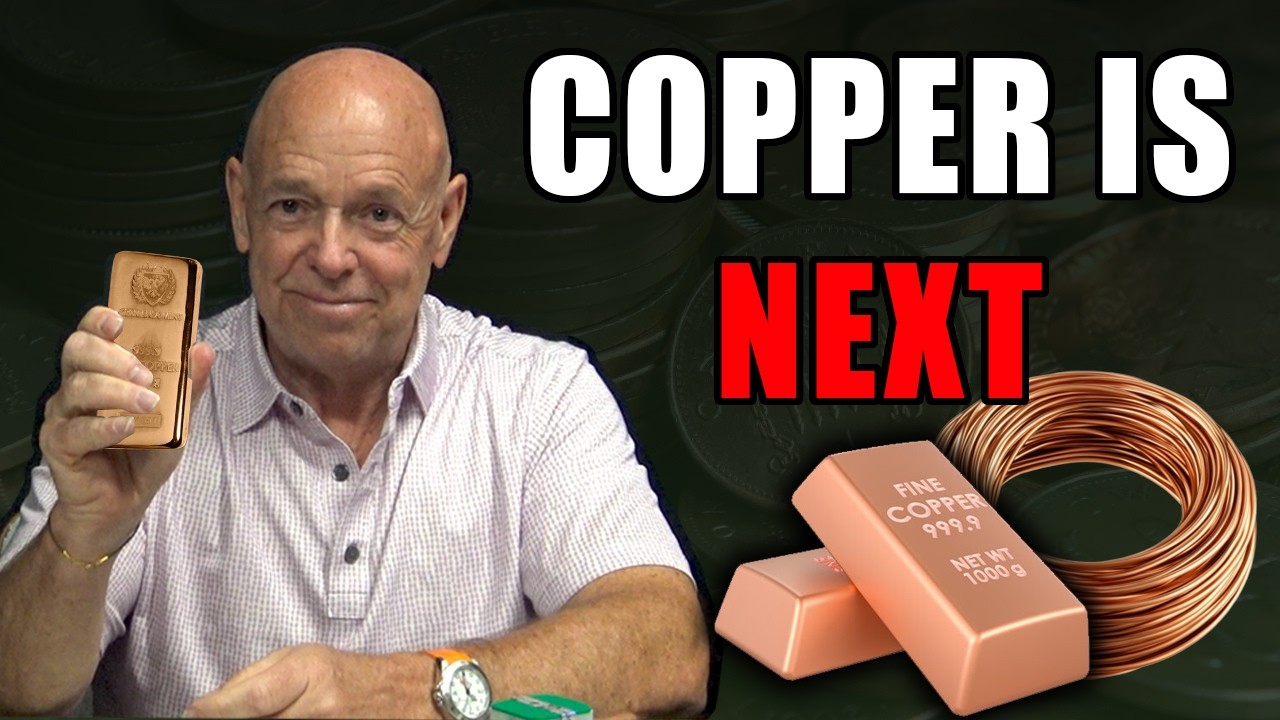
3. Copper: The Structural Demand Story
Copper remains the most important industrial metal for the electrification cycle. It is essential for power grids, EVs, renewable infrastructure, construction, motors, and AI-related power demand. Recent data showed copper around US$6/lb, with long-term demand forecasts still pointing higher.
- Investor data point: S&P Global’s 28M-to-42M metric ton demand forecast by 2040 implies the world may need roughly 14M metric tons of additional annual copper demand over the next 15 years.
That is why copper producers and explorers remain important. The investment case is not only today’s copper price, but whether the industry can bring enough new supply online. The risk is that copper is still economically sensitive. If global growth slows, copper can weaken even if the long-term thesis remains intact.
4. Oil: Geopolitics Keeps the Risk Premium Alive
Oil remains driven by geopolitical risk and physical-market uncertainty. Recent market updates showed Brent crude trading around US$100/bbl, with prices reacting to U.S.-Iran tensions, Middle East supply fears, and changing expectations around peace talks or escalation.
- Investor data point: Trading Economics recently showed Brent around US$100.84/bbl, up more than 60% from the same time a year earlier, highlighting how geopolitical shocks can quickly change the inflation outlook.
For investors, oil matters because it feeds directly into inflation, transportation costs, consumer confidence, and central-bank expectations. The risk is headline volatility. Any sign of de-escalation can cool oil quickly, while renewed conflict can send prices higher.
5. Natural Gas: Still Volatile, Still Important
Natural gas remains one of the more volatile commodities. Recent U.S. natural gas pricing sat around US$2.8/MMBtu, far below the headline moves seen in oil or precious metals. But the long-term story is still relevant because gas is tied to electricity demand, LNG exports, weather, industrial demand, and data-center power needs.
- Investor data point: natural gas prices recently hovered near US$2.8/MMBtu, showing a much softer setup than oil, even though power demand and LNG infrastructure remain important long-term drivers.
The upside case depends on weather, export demand, supply discipline, and power-market growth. The risk is that natural gas can stay weak if production is high and storage remains comfortable.

Commodity Snapshot
| Commodity | Recent Level | Main Driver | Investor Read |
|---|---|---|---|
| Gold | ~US$4,720/oz | Safe haven, central banks, real yields | Inflation and risk hedge |
| Silver | ~US$80/oz | Precious metals + industrial demand | Higher-beta gold/copper hybrid |
| Copper | ~US$6/lb | Electrification, grids, AI power demand | Structural demand story |
| Brent Crude | ~US$100/bbl | Middle East risk, supply shocks | Inflation-sensitive energy trade |
| Natural Gas | ~US$2.8/MMBtu | Weather, LNG, power demand | Volatile regional energy market |
Bottom Line
Commodities are not moving as one single trade. Gold and silver are reflecting safe-haven and inflation concerns. Copper is trading around electrification, AI infrastructure, and future supply gaps. Oil is still tied to geopolitical risk, while natural gas remains more supply- and weather-sensitive.
For investors, the main takeaway is that commodities are still relevant in a portfolio built around inflation protection, infrastructure demand, and geopolitical risk. The opportunity is real, but the key is choosing the right exposure: precious metals for protection, copper for structural growth, and energy for geopolitical and inflation sensitivity.

Marc has been involved in the Stock Market Media Industry for the last +5 years. After obtaining a college degree in engineering in France, he moved to Canada, where he created Money,eh?, a personal finance website.