Copper’s position in today’s rapidly changing global economy and technology is increasingly central. As we see the rate of electrification expanding, the expansion of our nation’s infrastructure, and the emergence of new forms of energy demand due to the advent of artificial intelligence (AI), copper is emerging as an increasingly critical bottleneck Resource.
- Essential for electrification, electric vehicles (EVs) and grid infrastructure
- Demand from AI data centers and energy systems increasingly recognized as a strategic geopolitical asset
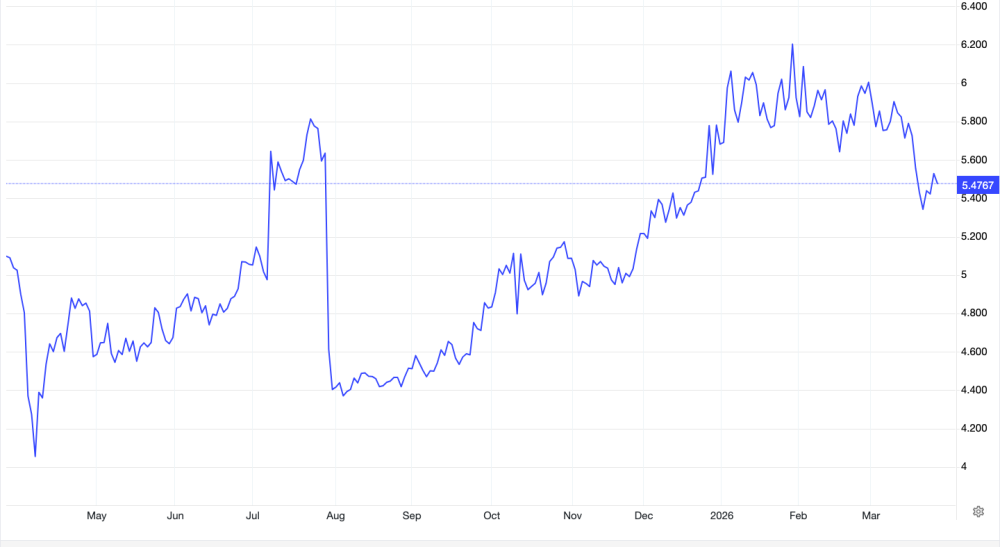
Macro viewpoint
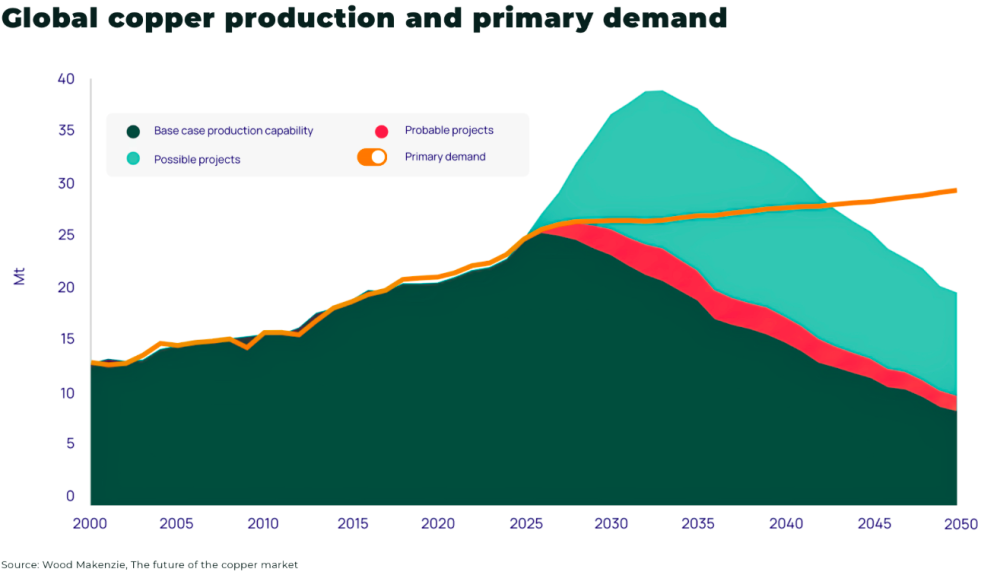
Copper is emerging as one of the most strategically important commodities globally. Copper is emerging as a critical commodity to enable the transition to low-carbon and renewable energy systems. Many refer to copper as the “metal of electrification.” Copper is an essential component of electric vehicles, power grids and data centers. Global demand for copper is expected to continue to experience dramatic increases over the next few decades. It is estimated that demand for copper could reach levels of 28 million tons per year in 2025 compared to 40 million tons per year by 2040. This represents a fundamental shift in how we consume copper.
Demand factors
Electrifying transportation remains one of most significant demand factors for copper. Electric vehicles require two-to-three times more copper than their internal combustion engine counterparts. In addition to the higher amounts of copper contained in electric vehicles, additional quantities of copper are being consumed as part of building out necessary charging infrastructure for these vehicles.
- Grid upgrades are driving additional incremental demand
- Renewable energy systems rely heavily on copper
- Emergence of new layer of demand from hyperscale data centers and AI computing needs
As computing needs continue to grow, there will be corresponding increased demands for power transmission, cooling systems and electrical connections – all of which are copper intensive.
Supply limitations
While demand continues to escalate, supply limitations remain. The copper market is expected to enter a refined deficit in the short-term with estimates indicating a shortfall of several hundred thousand tons as early as 2026.
- Estimated deficit could reach multi-million tons by 2040
- Development times for new mines can be exceeding ten years; declining ore grades reduce production efficiency
- one major obstacle facing the industry relates to a lack of projects in development. Additionally, permitting complexities across various jurisdictions are adding to the time it takes to bring new projects online.
Geopolitics
The supply chain for copper is increasingly affected by geopolitical factors. Historically, a majority of the world’s copper was produced by just a handful of countries, primarily Chile, Peru and China.
- More than half of all refine copper production is controlled by China; western nations are prioritizing domestic supply chains; Resource nationalism and trade tensions are increasing
Governments around the world are beginning to treat copper as a strategic Resource. To ensure long-term access to this metal, many governments have implemented policies designed to promote domestic production of critical metals.
Canada’s growing position within global copper supply chain
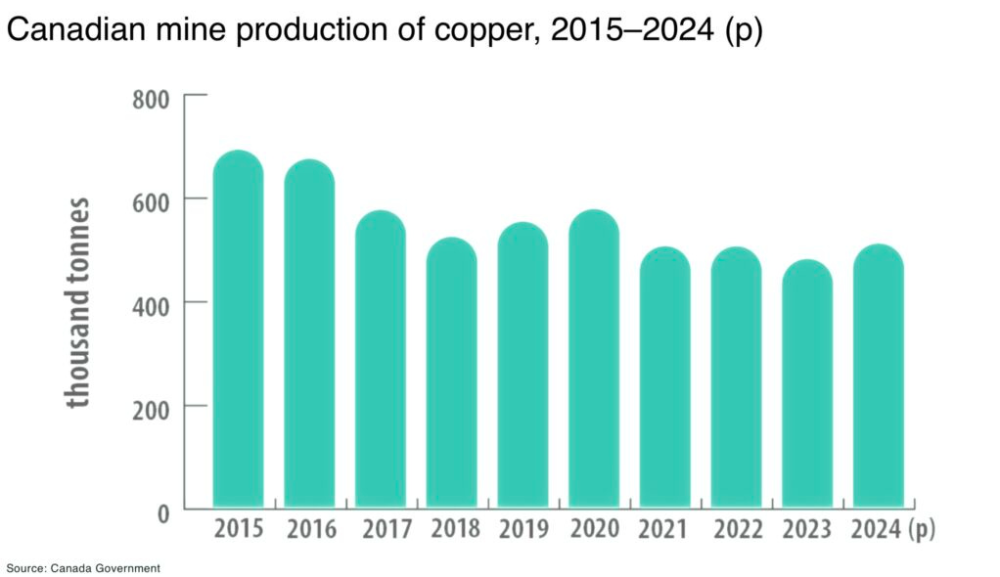
Canada is fast becoming a leader in providing copper to meet growing global demand. Canada provides a stable regulatory environment, excellent infrastructure and an increasingly supportive national government for the advancement of critical minerals.
Canada is ranked among top ten largest copper producers globally; there exist large amounts of undeveloped copper resources throughout Canada; federal and provincial governments are providing strong support for advancement of critical minerals projects; major canadian copper projects are attracting renewed attention from investors seeking reliable sources of copper due to ongoing diversification efforts across global economy.
- Capital needed to close gap between demand and supply will require substantial Investment capital
Industry analysts estimate hundreds of billions of dollars will be invested in developing new copper mines and expanding existing mine capacity through the end of the decade.
Estimates suggest $250 billion + Investment required through end of decade; approximately eighty new mines may need to be developed globally; underinvestment has continued following past cycles; these capital shortfalls provide long-term positive outlook for copper prices.
Copper Quest Update
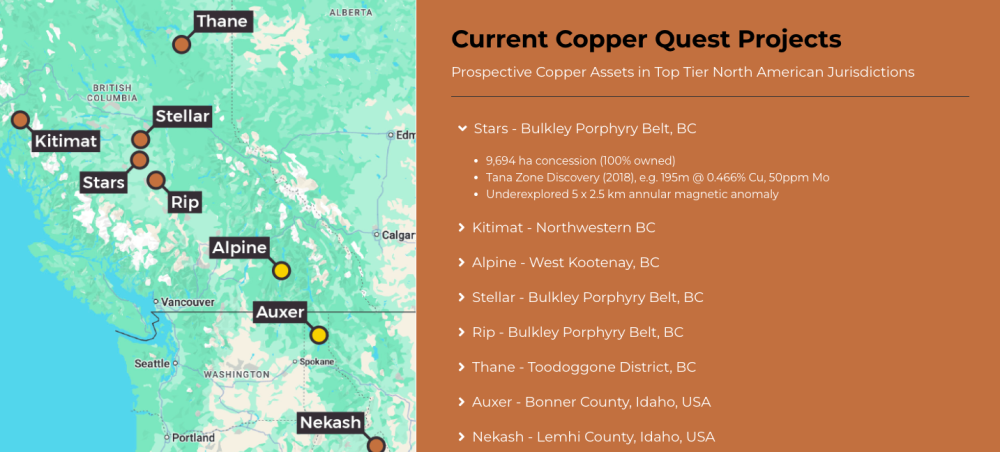
Progress continues to be made at the kitimat copper gold project where artificial intelligence based Exploration methods are being used to identify potential large-scale porphyry targets.
- Kitimat project area expanded by 130 percent to approximately 6,800 hectares;
- AI identified a 1.5 km x 1.5 km conductive body extending down to approximately 1 km depth;
- Potential Target lies beneath approximately 50 meters of overburden; remainder of system largely untested;
Drilling in nearby areas provided historical evidence supporting larger system potentials including drill intercepts with the following compositions:
- 117.07m @ .54% cu & 1.03 g/t au;
- 103.65m @ .55% cu & 1.00 g/t au;
- 112.20m @ .33% cu & .41 g/t au;
Integration of AI technology with existing geological datasets have enabled identification of concealed center for potential porphyry deposit suggesting that previously drilled mineralization may represent halo around much larger system.
Conclusion
Copper is entering into a fundamentally tight supply-demand environment that is being fueled by electrification, AI-based infrastructure needs and geopolitical competitions for control of critical minerals supplies.
- New supply cannot be developed quickly enough to match rising demand
- Limitations related to Investment and permitting are constraining the ability of the industry to produce more copper
Success in exploring and finding scalable copper systems — especially those employing modern technologies such as AI-based Target generation — will position companies favorably relative to a positive long-term macro-environment.

Marc has been involved in the Stock Market Media Industry for the last +5 years. After obtaining a college degree in engineering in France, he moved to Canada, where he created Money,eh?, a personal finance website.