The Global Nicotine Pouch Market Is Undergoing Rapid Consolidation Driven By Increasing FDA Regulatory Pressure And Aggressive Merger Activity Involving Large Tobacco Companies. To Understand How Incumbent Players Are Strategically Positioning Themselves In Order To Differentiate, Survive, And Capitalize On Structural Shifts In The Market, Emerging Companies Such As Doseology Must Study Their Strategic Activities.
1. Philip Morris International’s $16 Billion Purchase Of Swedish Match
The acquisition of Swedish Match by Philip Morris International (PMI) completely changed the competitive landscape of the U.S. oral nicotine marketplace.
Timeframe
Acquisition announced in May 2022 and completed in November 2022 with greater than 90 percent shareholder approval.
Purpose
Increase PMI’s smoke-free product offerings and allow PMI to compete directly with Altria’s on! product in the rapidly growing U.S. nicotine pouch segment.
Financial Details
All cash transaction valued at $16 billion; financing accomplished via substantial borrowing.
Impact on Consumers
According to PMI, there will be no material operational changes and Zyn customers will not notice any variations in their product.
Outcome of the Market
The acquisition of Swedish Match placed PMI as a direct competitor to both Altria and British American Tobacco in the U.S. modern oral market.

The Importance of PMTA In PMI-Swedish Match’s Strategy
The regulatory advantages resulting from PMTA were key factors in the purchase of Swedish Match by PMI.
Benefits of PMTA
- General Snus has already received FDA authorization as a Modified Risk Tobacco Product.
- PMI has already received FDA PMTA and MRTP approval for its IQOS heated tobacco device.
- Analysts characterized the purchase as an economically efficient regulatory route, since both firms have products that are well-positioned for FDA success. The combined firm now has a regulatory defense portfolio with significant regulatory protection.
2. BAT Enters U.S. Modern Oral Segment Through Dryft
Through acquiring the nicotine pouch assets of Dryft Sciences, BAT expanded its U.S. modern oral product offering from four product varieties to 28 product varieties.
Strategy
By providing additional flavor options, strength options, and a wider range of product varieties, BAT moved to capitalize on the rapidly expanding U.S. pouch market. Additionally, this move strengthened the VELO brand and allowed BAT to leverage its pre-existing U.S. distribution network to grow VELO rapidly.
Key Takeaways
The PMTA filings submitted by Dryft have already been accepted for filing, thus reducing regulatory friction for BAT. BAT also intends to rebrand Dryft under VELO and enhance the competitive positioning of VELO against Zyn and on! by providing a larger and more adaptable portfolio.
3. Imperial Brands Enters U.S. Market Through TJP Labs
On June 30th, 2023, Imperial Brands purchased the nicotine pouch assets of TJP Labs, entering the U.S. modern oral category.
Importance of the Transaction
Prior to the transaction, Imperial did not have any exposure to the U.S. pouch market. The acquisition gave Imperial an immediate entry point to the U.S. pouch market with 14 product varieties and continued manufacturing expertise.
Addition Information
Earn-out payments totaled over $100 million. Imperial plans to re-launch the products under a new name using a new brand identity supported by consumer research conducted to match its targeted challenger branding strategy.
Relationship Between TJP Labs’ PMTA and Acquisition
TJP Labs’ L!X brand had a PMTA accepted for review, allowing L!X to begin moving through the FDA review pipeline.

4. Swisher & Rogue: A PMTA-Focused Growth Model
Swisher International, the owner of Rogue, combines manufacturing capabilities through Avema Pharma Solutions with robust nationwide distribution.
Brand Overview
- Third largest U.S. nicotine pouch brand in 2024.
- Product formats include pouches, gum, lozenges, and tablets.
- Rogue is owned and operated jointly by Swisher and Avema.
Status of PMTA Filings
PMTAs submitted by Swisher were accepted for filing in May 2023. The products are currently waiting to enter the scientific review stage of the FDA evaluation pipeline.
What This Implies for Doseology (CSE: MOOD | OTC: DOSEF | FSE: VU70)
Although Doseology does not produce nicotine pouch products, the strategic activity occurring in the industry provide clear lessons for any emerging wellness or regulated-CPG company.
1. Regulatory Positioning Is a Key Competitive Advantage
Obtaining PMTA/MRTP approvals prior to launch creates a multi-year lead time, increases the potential for higher acquisition prices, and reduces regulatory uncertainty.
2. Strategic Acquisitions Can Drive Rapid Growth in Regulated Markets
Incumbent players in the industry are prepared to spend billions to purchase regulated products. This demonstrates the importance of developing early intellectual property, proactively preparing for regulatory requirements, and establishing compliant manufacturing partnerships.
3. Control Over Distribution Channels, Brand Identity, and Compliance Create Market Share
Each of the major transactions involved a winner that controlled some combination of brand reputation, regulatory approval, manufacturing capability, and distribution channels.
Doseology can model this by establishing supply chain relationships, creating early brand identity, and preparing for future regulatory paths in its category.
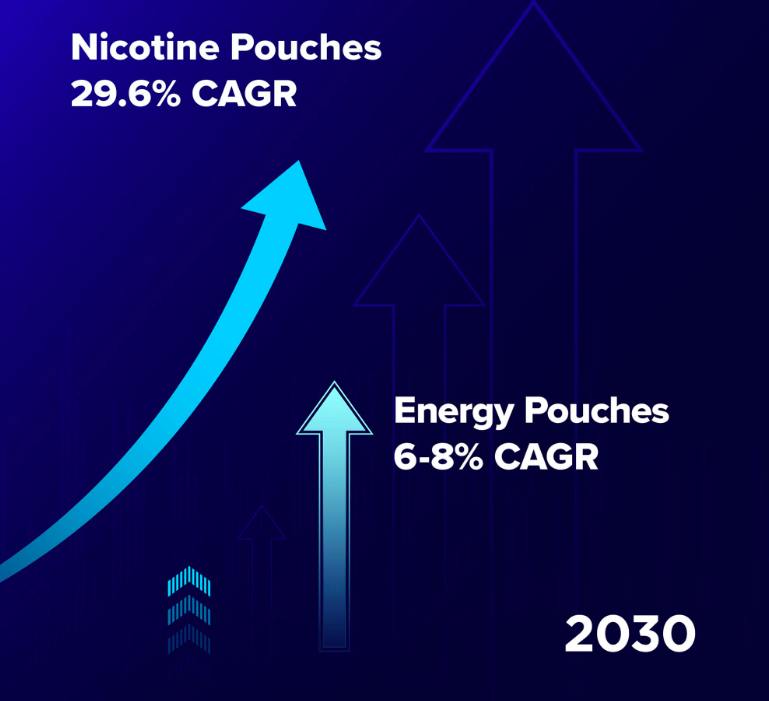
Doseology’s Most Recent Strategic Actions
Doseology (CSE: MOOD | OTC: DOSEF | FSE: VU70) has made two important strides to solidify the foundational elements of its operation.
A. Strategic Manufacturing Agreement
Doseology successfully concluded a comprehensive diligence of North American-based manufacturing and has established a strategic manufacturing relationship with its U.S.-based subsidiary, thereby positioning itself to manufacture compliant, scalable quantities of products in North America.
B. Feed That Brain™ Acquisition & Brand Building Expertise
Feed That Brain™ is a brain health and functional wellness brand that Doseology recently acquired and appointed Joseph Mimran as a strategic advisor. This will enable Doseology to develop a differentiated brand identity and provide the knowledge and experience necessary to establish a high-performing brand in a highly competitive and commoditized supplement category.
These recent activities support Doseology’s vision of becoming a vertically integrated, branded, U.S.-focused wellness company.
Sweden: The Prototype for Category Maturation
Sweden produces about $641.8 million in annual revenue from nicotine pouch products with a population of less than 11 million people — roughly 30% of the size of the U.S. market. Per-capita consumption is roughly three times higher than in the U.S.
Year-over-year growth continues at roughly 35-36% CAGRs, primarily fueled by the 16-29 demographic. Flavors and middle-strength nicotine levels and visible shelf space are driving consumer decision-making.
Approximately 90% of nicotine pouch sales are generated in brick-and-mortar retail within a little less than 8,000 permitted retail locations. E-commerce is growing rapidly, but is still secondary to in-store discovery and customer retention.
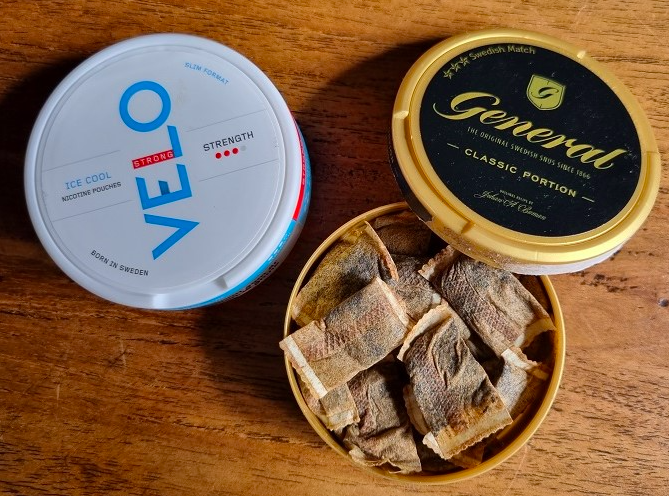
Strategic Lessons From Sweden
- Retail shelf space is essential to survival.
- Intentional segmentation of flavor architectures is required.
- Younger demographics generate extremely fast-paced trends.
- More often than not, brand identity is worth more than incremental formulation enhancements.
- Both retail and e-commerce platforms are necessary for success.
Conclusion — Implications for Doseology (CSE: MOOD | OTC: DOSEF | FSE: VU70)
The nicotine pouch industry is rapidly consolidating, as incumbent players use capital to purchase regulated, scalable and unique products. The same strategic principles that are applicable to Doseology’s journey as a wellness CPG company — regulatory positioning, brand, distribution and timing — also apply.
Sweden provides a look at where other global markets may evolve: rapid growth, intense competition and a premium on visibility and execution. The opportunity for Doseology is to utilize these lessons early-on — create the infrastructure, brand and compliance prior to the pace of consolidation quickening.
Posted on behalf of Guerilla Capital for the issuer.

Marc has been involved in the Stock Market Media Industry for the last +5 years. After obtaining a college degree in engineering in France, he moved to Canada, where he created Money,eh?, a personal finance website.