The Oral Pouch Market Has Transformed From A Niche Alternative To A Fast-Growing Consumer Format Spanning Nicotine, Energy And Functional Wellness Products.Strong Adoption Of Oral Pouches Is Being Driven By Changing Consumer Preferences, Including The Desire For Precise Dosing And Discreet Use Of Products, As Well As Large Incumbent Companies Competing With Emerging Challengers For Share. For Investors, The Space Now Offers A Clear Barbell: Established Global Leaders With Scale And Cash Flow And Smaller Opportunity Plays With Asymmetric Upside.
Market Growth And Industry Backdrop
Global nicotine pouches have been estimated to be approximately $5–6 billion in 2024 and project to be over $25 billion by 2030; thus the overall compound annual growth rate of the industry is expected to be approximately 30%.
In the United States alone, market estimates forecasted the industry to expand from approximately $2–3 billion in the mid-2020s to over $40 billion in the mid-2030s.
Growth in this space will continue to be fueled by consumer migration away from combustible products, increasing retail availability, and aggressive investment by multinational tobacco and consumer companies.
Adjacent functional pouch formats, including caffeine and wellness focused products, are beginning to emerge in conjunction with nicotine, thereby broadening the total addressable market.
Philip Morris International (PMI) – Category Leader
Philip Morris International is the dominant player in the nicotine pouch market with its ZYN brand. PMI’s ZYN brand currently controls over 70% of the U.S. nicotine pouch market and shipped approximately 385 million cans globally in 2023.
This represents a year-over-year increase in shipments above 60%.
PMI trades on the NYSE with a market capitalization of over $150 billion, and as a result of its size, enjoys global distribution capabilities, strong cash flows and a long-term strategy that centers on smoke-free products.
As a result of its size, PMI can invest aggressively in manufacturing, marketing and navigating regulatory hurdles, providing investors with a stable entry point into the pouch category.
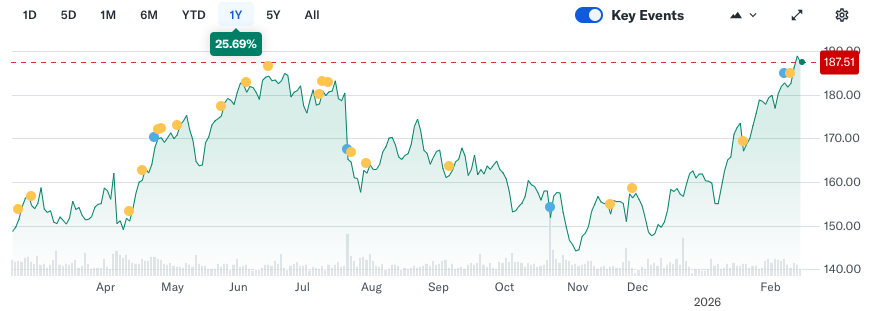
Key Data Points:
- Market Capitalization: Over $150 Billion
- Core Pouch Brand: ZYN
- U.S. Estimated Market Share: ~70%
British American Tobacco (BAT) – Strong Challenger
British American Tobacco is another leading player in the area of oral nicotine products with brands such as VELO.
BAT has quickly expanded its pouch offerings to secure the #2 spot in the U.S. market and achieve double-digit growth in its modern oral segment.
BAT trades on the London Stock Exchange and NYSE with a market capitalization of approximately $70–80 billion.
While BAT remains heavily dependent on traditional tobacco revenue streams, the Company continues to transition capital to support the development of reduced-risk products, including pouches, to support future long-term growth.
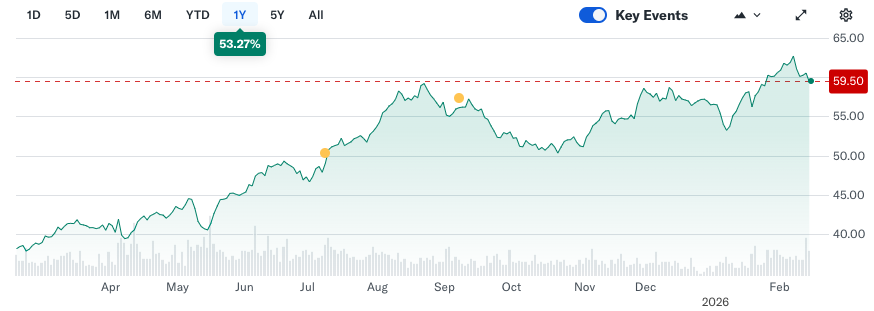
Key Data Points:
- Market Capitalization: Approximately $129 Billion
- Lead Pouch Brand: VELO
- Focus: Scaling Reduced-Risk Nicotine Formats Globally
Doseology Sciences (CSE: MOOD | OTCQB: DOSEF) – Opportunity Play
Doseology is offering a unique take on the trend of pouches.
Rather than focusing solely on nicotine, Doseology is developing caffeine-based energy pouches that provide consumers with predictable delivery of stimulants.
By focusing on caffeine and other functional and wellness products, Doseology is positioning itself within the broader functional and wellness segment, rather than the traditional tobacco segment.
Doseology is trading on the CSE and OTCQB with a market capitalization of approximately $4–5 million, placing it firmly in the micro-cap category.
Most recently, Doseology began pilot production of its energy pouch products under the Feed That Brain brand, which is the first step in the Company’s pursuit of commercialization.
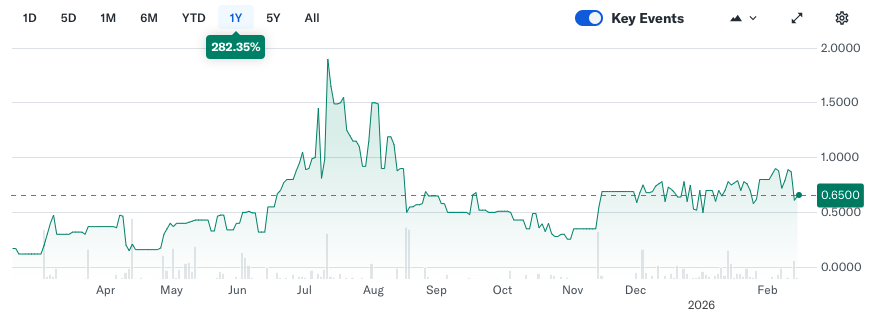
Key Data Points:
- Share Price: Approximately $0.65–$0.70
- Market Capitalization: Approximately $4–5 Million
- Functional/Wellness Product Focus: Non-Nicotine Energy and Stimulant Pouches
Industry Dynamics and Execution Benchmarks
In terms of the pouch category as a whole, scale and execution are becoming more quantifiable.
Within the U.S. nicotine pouch market, the top two players control more than 85% of U.S. market share, highlighting the growing importance of both distribution reach and manufacturing capacity.
Capital expenditure is also growing, with major incumbent players investing hundreds of millions of dollars per annum in the production expansion and regulatory compliance areas.
Emerging players such as Doseology, however, face different benchmarks.
Early-stage functional pouch companies tend to trade with sub-$10 million market capitalizations throughout their pilot and early commercialization stages, and, accordingly, their valuation inflection points are generally tied to the establishment of their first distribution agreement(s), repeated purchasing patterns and visibility around their gross margins.
Generally speaking, transitioning from pilot production to consistent commercial volume is the primary catalyst for a re-rating of these companies, rather than immediate profitability.
Valuation Comparison Snapshot
| Company | Ticker | Market Capitalization | Segment Focus | Scale Profile |
|---|---|---|---|---|
| Philip Morris International | PMI | > USD 291B | Nicotine pouches (ZYN), smoke-free products | Global leader, cash-flow generative |
| British American Tobacco | BAT | ~ USD 129B | Nicotine pouches (VELO), reduced-risk products | Global challenger, diversified |
| Doseology Sciences | MOOD / DOSEF | ~ USD 4–5M | Non-nicotine energy & functional pouches | Micro-cap, early-stage optionality |
Bottom Line
The pouch category combines strong secular growth with clear segmentation. Philip Morris International offers dominant market share and stability, British American Tobacco provides competitive exposure with scale, and Doseology represents a high-risk, high-upside opportunity in emerging functional pouch formats. Together, these companies illustrate how investors can approach the sector through a blend of leadership, competition, and optionality.
Posted on behalf of Guerilla Capital for the issuer.

Marc has been involved in the Stock Market Media Industry for the last +5 years. After obtaining a college degree in engineering in France, he moved to Canada, where he created Money,eh?, a personal finance website.