The global nicotine pouch industry has entered a period of rapid consolidation due to major FDA-driven regulatory pressure and strategic mergers and acquisitions by large tobacco companies. Emerging companies like Doseology must understand How Their Competitors Are Strategically Positioning Themselves to Differentiate Themselves From Other Competitors and Capitalize on Structural Shifts in the Market.
1. PMI’s $16 Billion Acquisition of Swedish Match Redefined the Competitive Landscape in the U.S. Oral Nicotine Market. The Key Outcomes Can Be Summarized As Follows:
- Timeline: Announced in May 2022, finalized in November 2022 with over 90% shareholder approval.
- Objective: Expand PMI’s smoke-free portfolio and compete directly with Altria’s On! in the fast‑growth U.S. pouch segment.
- Financials: An all‑cash transaction worth $16 Billion, Financed Via Significant Debt.
- Impact on Consumers: PMI stated there were no significant changes in operations; Zyn users would not notice any differences.
- Market Outcome: The move positioned PMI as a direct competitor to both Altria and British American Tobacco in the U.S..
The Role of PMTA in the PMI-Swedish Match Strategy
Regulation through the FDA’s Premarket Tobacco Product Application (PMTA) Was Central to the Deal.
PMTA Advantages
General Snus had already been authorized for use under an MRTP by Swedish Match.
PMI held both PMTA and MRTP approvals for its IQOS heated tobacco system.
Analysts labeled the acquisition a “strategically sound and efficient regulatory path” since both companies already had pre-approved smoke-free products.
This provided PMI with a huge advantage: combining two portfolios already positioned for regulatory success.

2. BAT Adds to U.S. Modern Oral Range with Dryft Acquisition
British American Tobacco (BAT) acquired the nicotine pouch assets of Dryft Sciences and expanded its U.S. modern oral range from four to twenty‑eight product variants.
Why BAT Made the Purchase
BAT moved to capitalize on the fast‑growing U.S. pouch market. By Adding More Flavors, Strengths, and Product Variants, BAT Strengthened Its VELO Brand and Leaned on Its Strong U.S. Distribution to Scale Quickly.
Takeaways
Dryft’s PMTA applications were accepted for filing, Lowering Regulatory Friction. BAT Plans to Rebrand Dryft Under VELO and Improve Its Ability to Compete with Zyn and On! through a Larger and More Flexible Portfolio.
3. Imperial Brands Enters U.S. Modern Oral Market with TJP Labs Acquisition
In June 2023, Imperial Brands Acquired the Nicotine Pouch Assets of TJP Labs to Enter the U.S. Modern Oral Market.
Importance of the Deal
Imperial was missing a presence in the U.S. pouch market before this deal, Making the Acquisition a Critical Entry Point. The Addition of 14 Product Variants Gives Imperial an Immediate Foundation to Launch a Competitive Range in 2024 Supported by TJP Labs’ Ongoing Manufacturing Expertise.
Additional Notes
The earnouts exceeded $100 Million and Imperial Will Relaunch the Product Line Under a New Brand in 2024. Consumer Testing Demonstrated Strong Performance, Aligning with Imperial’s “Focused Challenger Approach.”
PMTA Connection
One of the brands (L!X) already had a PMTA accepted for review, meaning it could proceed through the FDA evaluation pipeline — a significant advantage for Imperial.
4. Swisher & Rogue: A PMTA-Focused Growth Model
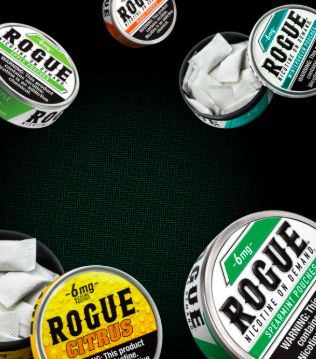
Swisher International, owner of the Rogue nicotine‑pouch brand, combines manufacturing using Avema Pharma Solutions with strong national distribution.
Brand Overview
- Third-Largest U.S. Pouch Brand in 2024
- Formats Include: Pouches, Gum, Lozenges, Tablets
- Rogue Holdings: Joint Venture Between Swisher & Avema
Regulatory Status
- PMTAs Accepted and Filed: May 2023
- FDA Status: Awaiting Entry into Scientific Review Phase
- Regulatory Risk: Products May Face Enforcement Without Authorization
- Advocacy Opposition: Flavor-Ban Groups Have Publicly Opposed Flavored Pouch PMTAs
Why This Matters
Swisher’s Bet Mirrors the Strategy of PMI and BAT: Secure PMTA Acceptance Early to Gain a Defensible Long-Term Position in the U.S. Market.
What This Means for Doseology
Although Doseology does not currently operate in the nicotine‑pouch space, the Strategic Actions Across the Industry Highlight Several Lessons Relevant to Any Emerging CPG Wellness Company:
1. Regulatory Positioning Is a Core Competitive Advantage
Companies with early PMTA/MRTP wins (PMI, Swedish Match, Rogue, BAT-Dryft) Gain:
- Multi-Year Head Start
- Higher Acquisition Value
- Reduced Regulatory Uncertainty
2. Strategic Acquisitions Drive Growth in High-Regulation Markets
Tobacco giants are willing to spend hundreds of millions — even billions — to buy Pre-Approved or Partially Approved Product Lines.
For Doseology, this Shows the Value of:
- Building IP Early
- Proactive Filing of Regulatory Submissions
- Partnering with Manufacturers Who Understand Compliance

3. Distribution + Brand + Compliance = Market Power
Across all cases:
- PMI Acquired Brand + Regulatory + Distribution
- BAT Acquired Brand + PMTA-Filed SKUs
- Imperial Acquired Brand + Manufacturing
- Swisher Built Brand + Manufacturing + PMTA Filings
Doseology can mirror this by:
- Owning Supply Chain Relationships
- Building a Strong Brand Identity Early
- Preparing for Future Regulatory Pathways in Its Category
Doseology’s Most Recent Strategic Moves
Doseology (CSE: MOOD | OTC: DOSEF | FSE: VU70) has recently taken two major steps That Directly Enhance Its Operational Foundation and Long-Term Strategic Positioning.
A. Doseology Completes Extensive North American Diligence & Secures Strategic Manufacturing Agreement
Doseology (CSE: MOOD | OTC: DOSEF | FSE: VU70) announced that it completed a full North American diligence process and secured a strategic manufacturing agreement through its U.S. subsidiary, Doseology USA Inc. This move positions the company for scalable, compliant and fully North America–based production.
This suggests a shift toward:
- Greater U.S. operational presence
- Greater control over product quality and timelines
- Building the infrastructure needed for future regulatory pathways (similar to PMTA positioning seen across the nicotine sector)
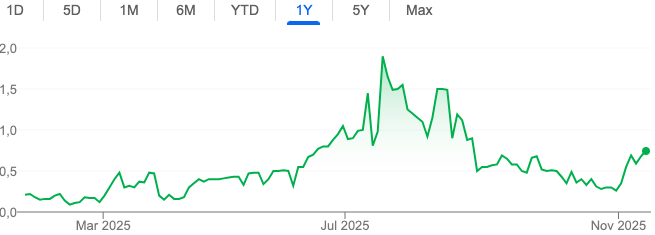
B. Doseology acquires Feed That Brain™ & appoints Joseph Mimran as strategic advisor
In a second major move, Doseology (CSE: MOOD | OTC: DOSEF | FSE: VU70) acquired Feed That Brain™, a nootropic and wellness brand, further expanding its product portfolio. Alongside the acquisition, Doseology appointed Joseph Mimran — the iconic brand‑building mind behind Joe Fresh, Club Monaco and others — as a strategic advisor.
This development provides:
- Instant expansion into brain health and functional wellness categories
- Access to high-level brand strategy and consumer product expertise
- Greater differentiation from commodity supplement competitors
These two moves show Doseology is developing into a vertically integrated, brand‑driven and U.S.-anchored wellness company, similar to the same strategic pillars that enabled growth for major players in regulated sectors.
Conclusion
Doseology (CSE: MOOD | OTC: DOSEF | FSE: VU70)
The nicotine pouch market is consolidating at an unprecedented rate, with giant tobacco companies spending billions to acquire regulatory‑ready, scalable and differentiated product lines. The common themes among the giants — regulation, brand power, distribution and timing — apply directly to Doseology’s growth strategy.
Learning how PMI, BAT, Imperial and Swisher are navigating FDA rules and market expansion provides a clear blueprint: secure regulatory advantages early, control your manufacturing story and build a brand with acquisition‑level value.
Doseology now has the opportunity to position itself for the next wave of wellness CPG consolidation by learning from the boldest moves in the nicotine pouch industry.
Posted on behalf of Guerilla Capital for the issuer.

Marc has been involved in the Stock Market Media Industry for the last +5 years. After obtaining a college degree in engineering in France, he moved to Canada, where he created Money,eh?, a personal finance website.