- Sekur is raising up to CA$2.0M to support sales growth and U.S. expansion.
- The company is pushing deeper into defense and government communications.
- The private placement was priced above the current share price, which can signal investor confidence.
What Happened
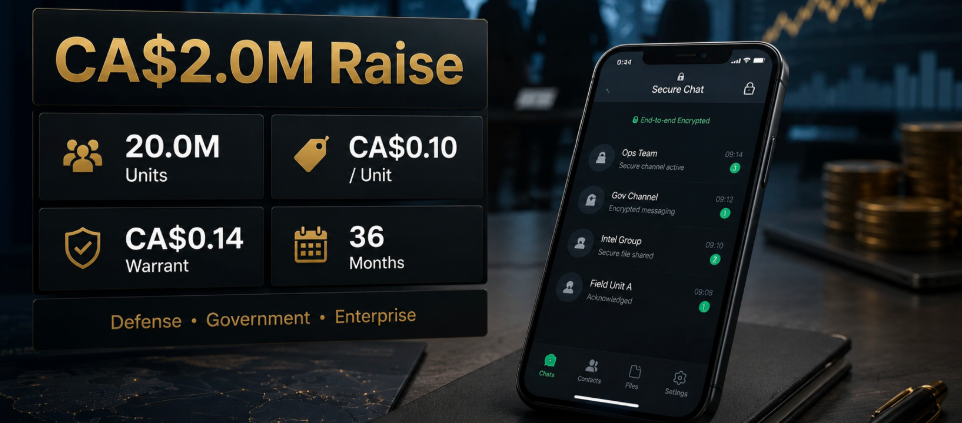
Sekur Private Data announced a non-brokered private placement to raise gross proceeds of up to CA$2.0 million.
The financing consists of up to 20.0 million units priced at CA$0.10 per unit, with each unit including one common share and one full warrant. Each warrant is exercisable at CA$0.14 for 36 months.
The company said the proceeds are expected to support SekurOne sales, U.S. government-sector sales, business development, and general working capital.
This matters because Sekur is no longer only presenting itself as a privacy-app story. It is trying to build a higher-value secure communications platform focused on defense, intelligence, government, and enterprise users.
• This financing is really about commercialization. Sekur is raising capital to try to convert product development, defense visibility, and channel partnerships into sales growth.
Why the Financing Price Matters
One of the most interesting parts of the announcement is that the private placement was priced above the current market share price.
That is important for investors.
In small-cap financings, private placements are often completed at a discount to the current trading price. That discount is usually used to attract capital and compensate investors for taking financing risk.
Sekur’s placement being priced at CA$0.10 per unit, above where the stock has recently traded, changes the message.
It can imply that participating investors are not just buying today’s market price. They may be buying the next phase of the story: defense-sector sales, SekurOne commercialization, U.S. government opportunities, and recurring secure-communications revenue.
It also gives the financing a stronger signal than a typical discounted raise.
• When investors are willing to fund a microcap company above the current share price, it can suggest confidence that the market may be undervaluing the next stage of growth.
What the Warrants Add
The warrant structure is also worth watching.
Each unit includes one full warrant exercisable at CA$0.14 for 36 months. That means investors in the placement are not only paying CA$0.10 for the unit. They also receive additional upside exposure if the stock moves above the warrant exercise price.
For Sekur, this creates a potential future source of capital if the stock performs and warrants are exercised.
For investors, the CA$0.14 warrant level becomes a useful reference point. It shows where financing participants may see further upside optionality.
• The structure gives Sekur upfront capital now, while also creating potential future capital if the defense communications story gains traction.
Why the Timing Matters
The timing is important because Sekur has recently been accelerating its defense and government push.
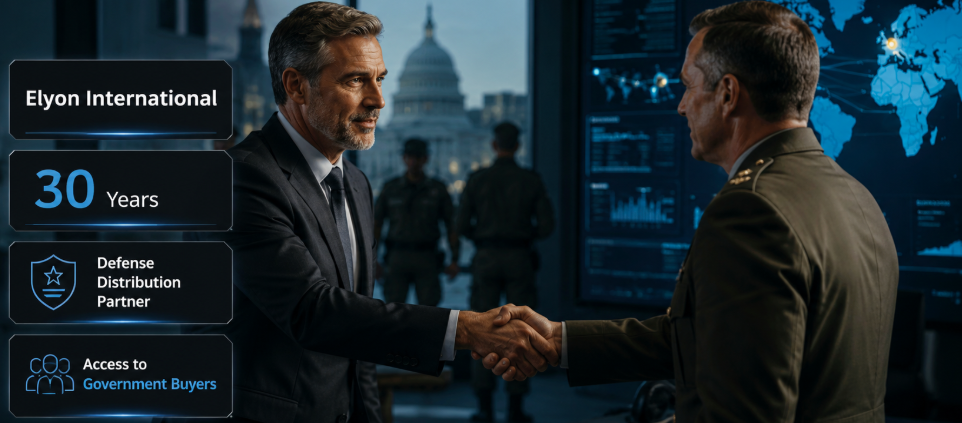
The company signed a distribution agreement with Elyon International, a veteran-owned defense contractor with nearly 30 years of mission-support experience. That agreement gives Sekur a more credible route into defense procurement networks and government-related communications opportunities.
This is key because defense and government markets are not usually won through basic online marketing. They require trust, procurement knowledge, security credibility, demonstrations, relationships, and sector-specific distribution channels.
Elyon gives Sekur a potential pathway into serious buyers.
• In defense communications, access can matter almost as much as technology. Sekur’s distribution strategy could help move the company closer to government and defense end users.
SekurOne Could Be the Commercial Catalyst
SekurOne is the product investors should focus on.
The company has described SekurOne as an all-in-one secure communications plan combining encrypted voice, video, email, messenger, and VPN capabilities. It is targeted at government, defense, special operations, and enterprise users.
Sekur demonstrated the platform to approximately 40 guests from government, defense, and special operations circles before SOF Week.
That matters because it shows the product is already being presented to relevant end markets. The next step is no longer just product awareness. It is conversion.
Sekur has also discussed sales timing around the period following Elyon training, with investors now watching whether demonstrations can turn into paid accounts.
• The key catalyst is simple: Sekur needs to turn defense-sector interest into customer adoption.
The Upside Case
The upside case comes from revenue leverage.
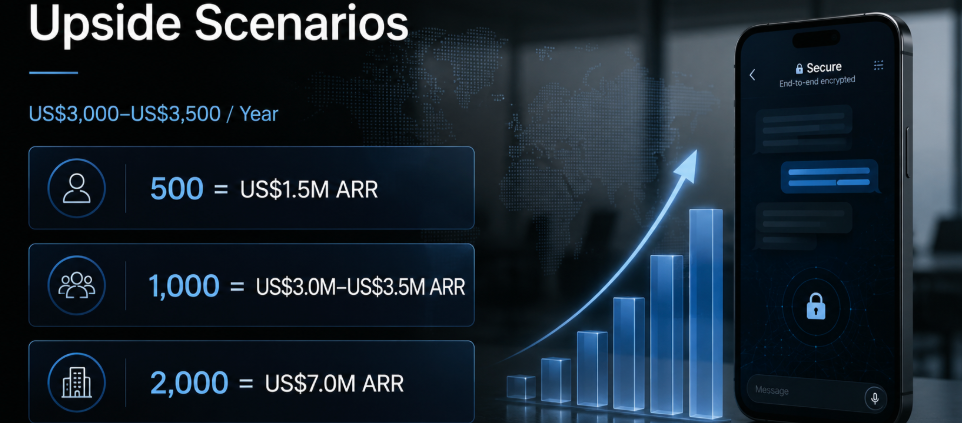
SekurOne pricing has been discussed around US$3,000 per year, while other secure communications offerings tied to Sekur’s defense push have been discussed from around US$3,500 per year.
That means relatively modest adoption could matter.
For example:
- 500 accounts at US$3,000/year = US$1.5M annual recurring revenue
- 1,000 accounts at US$3,000/year = US$3.0M annual recurring revenue
- 1,000 accounts at US$3,500/year = US$3.5M annual recurring revenue
- 2,000 accounts at US$3,500/year = US$7.0M annual recurring revenue
That is the attraction of the story.
Sekur is still a small company, so it does not need massive global adoption for the numbers to become meaningful. A few hundred or a few thousand high-value operator accounts could materially change how investors view the business.
• At Sekur’s size, even modest execution wins could have an outsized impact on the revenue profile.
Why Defense Communications Is a Bigger Story Than Consumer Privacy
Consumer privacy can be difficult to scale.
Defense, government, and enterprise communications can be different. The customer base may be smaller, but the willingness to pay can be much higher when secure communications are mission-critical.
For defense contractors, government users, intelligence-linked teams, special operations personnel, and high-risk enterprise clients, communication security is not a nice-to-have feature. It can be part of operational safety, data protection, and mission execution.
That is why Sekur’s positioning shift matters.
The company is trying to move away from being seen as just another privacy platform and toward being seen as a secure communications provider for high-risk and high-value environments.
• The market may value Sekur more highly if investors begin viewing it as a defense-grade communications platform rather than a consumer privacy app.
The U.S. Government Angle
The financing proceeds are expected to support U.S. government-sector sales.
That is one of the most important parts of the announcement.
If Sekur can gain traction in U.S. government or defense-related channels, the company could access a market where security, sovereignty, and trusted communications carry significant value.
The opportunity is not only selling software subscriptions. It is proving that Sekur’s infrastructure can fit into higher-stakes environments where users may need encrypted communications, secure voice, private email, VPN, and controlled data flows.
• For investors, the U.S. government push is important because it could move Sekur toward larger, stickier, and more credible revenue opportunities.
What Investors Should Watch Next
The next phase of the Sekur story needs measurable progress.
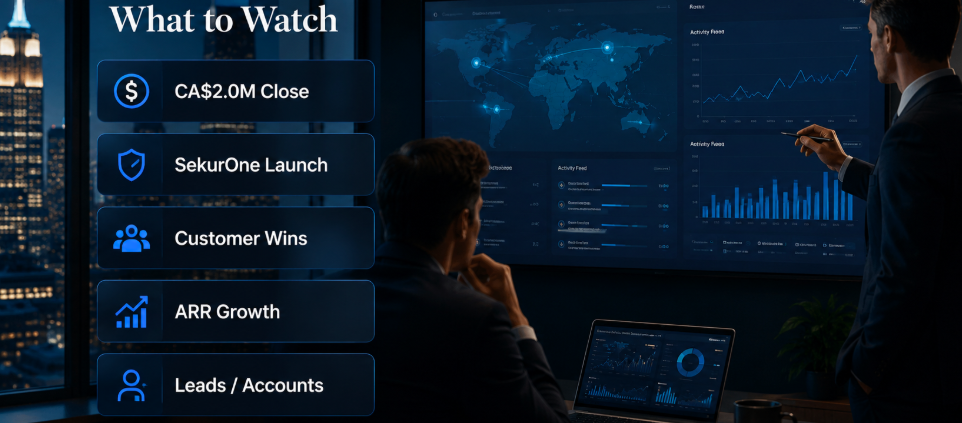
Investors should watch whether the company closes the full CA$2.0 million financing, whether SekurOne and SekurVoice launch on schedule, and whether Elyon begins producing qualified leads or signed accounts.
The most important updates will be tied to actual deployment and revenue visibility.
The market will likely want to see:
- first defense or government customer wins
- account numbers
- recurring revenue growth
- contract size
- renewal potential
- further channel partnerships
• The next stage needs hard numbers: accounts, ARR, contracts, and deployments.
Bottom Line
Sekur’s latest financing comes at an important moment in its defense communications push.
The company is raising up to CA$2.0 million, expanding its U.S. government and defense sales effort, and doing so through a private placement priced above the current share price.
That is notable.
For a microcap company, an above-market financing can imply stronger investor confidence and a belief that the current share price may not fully reflect the company’s defense communications opportunity.
The upside case now depends on execution.
If Sekur can turn defense-sector access into recurring customer accounts, this could become much more than a small-cap financing story. It could mark the beginning of a higher-value growth phase focused on secure communications for government, defense, and enterprise users.
Disclaimer: This content is for informational and marketing purposes only and is not financial advice. Sekur is a microcap company and may involve high volatility, low liquidity, dilution risk, and possible loss of capital. This may be sponsored content, and the publisher or related parties may receive compensation or hold securities mentioned. Always do your own research and consult a licensed advisor before investing.

Marc has been involved in the Stock Market Media Industry for the last +5 years. After obtaining a college degree in engineering in France, he moved to Canada, where he created Money,eh?, a personal finance website.